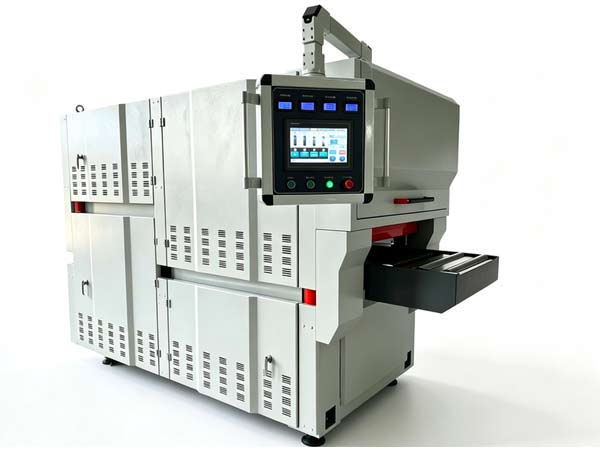
Thickness inconsistency of solid wood panels is a common headache for wood product manufacturers. Panels coming out of planers often retain thickness deviation caused by raw material warping, machine wear or feeding fluctuation. Without reliable thickness calibration sanding, subsequent painting, veneering and assembly procedures will face frequent fitting failures and high scrap rates. A qualified Wide Belt Calibrating Sander solves this problem by precise material removal, making panel thickness stable within tiny tolerance ranges for downstream production flow.
Traditional low end sanding equipment often produces uneven material removal: some areas get over sanded while other positions still keep excess material. High quality wide belt calibrating sanders adopt integrated eccentric steel roller and pulley structure. The whole machine frame uses heavy duty welded rectangular profiles for strong rigidity and excellent shock absorbing performance, reducing vibration interference during high speed sanding. One standout practical feature is fault auto drop down protection: when abnormal conditions happen including insufficient air pressure, sand belt deviation or emergency stop trigger, the conveyor bed automatically drops instantly to prevent massive workpiece damage. This function avoids expensive batch scrap loss and is worthy of high attention for factory procurement managers.
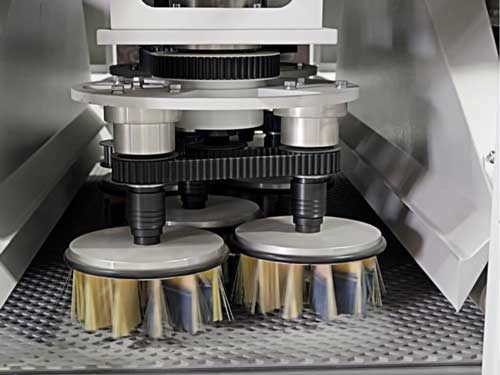
For factories processing solid wood panel processing tasks such as wooden doors, cabinets and furniture boards, double sand frame calibrating sanders deliver great versatility. Users can run two sanding frames together for heavy stock thickness calibration, or switch to polishing pad working mode to complete fine surface finishing on the same machine. Variable frequency feeding speed adapts to diverse wood types: fast feed for soft wood rough calibration and slower feed for dense hardwood fine finishing. Mechatronic pneumatic integrated control system simplifies operation for workshop technicians, lowering skill requirement barriers for new operators.
Many purchasing managers only compare machine appearance and price while ignoring long term operating cost. When selecting wide belt calibrating sanders, pay attention to three key details. First, check frame rigidity: thin sheet welded frames generate obvious vibration after several month heavy load running, bringing thickness fluctuation. Second, evaluate convenience of sand belt replacement and daily component access. Third, confirm whether the fault auto protection mechanism is complete and reliable, not only a theoretical parameter on brochures.
Real world feedback from Kuaimo Tech clients shows that after deploying 1300R R series wide belt calibrating sanders, many solid wood door manufacturers controlled finished panel thickness tolerance within ±0.1 mm steadily. Less re working improves overall workshop throughput significantly. Some factories combine calibrating sanders with follow up primer sanding machines to build continuous panel processing production lines.
Nowadays, many mid size wood product factories are upgrading old sanding equipment. If your workshop still struggles with unstable panel thickness, it is time to re evaluate your sanding solution setup. A high performance Wide Belt Calibrating Sander is core asset for stable mass production of solid wood panels.
CTA: Send your workpiece dimension and material information to Kuaimo Tech, we offer professional production line configuration suggestions.